ICFT 2025

The 6th International Conference on Financial Technology (ICFT 2025)

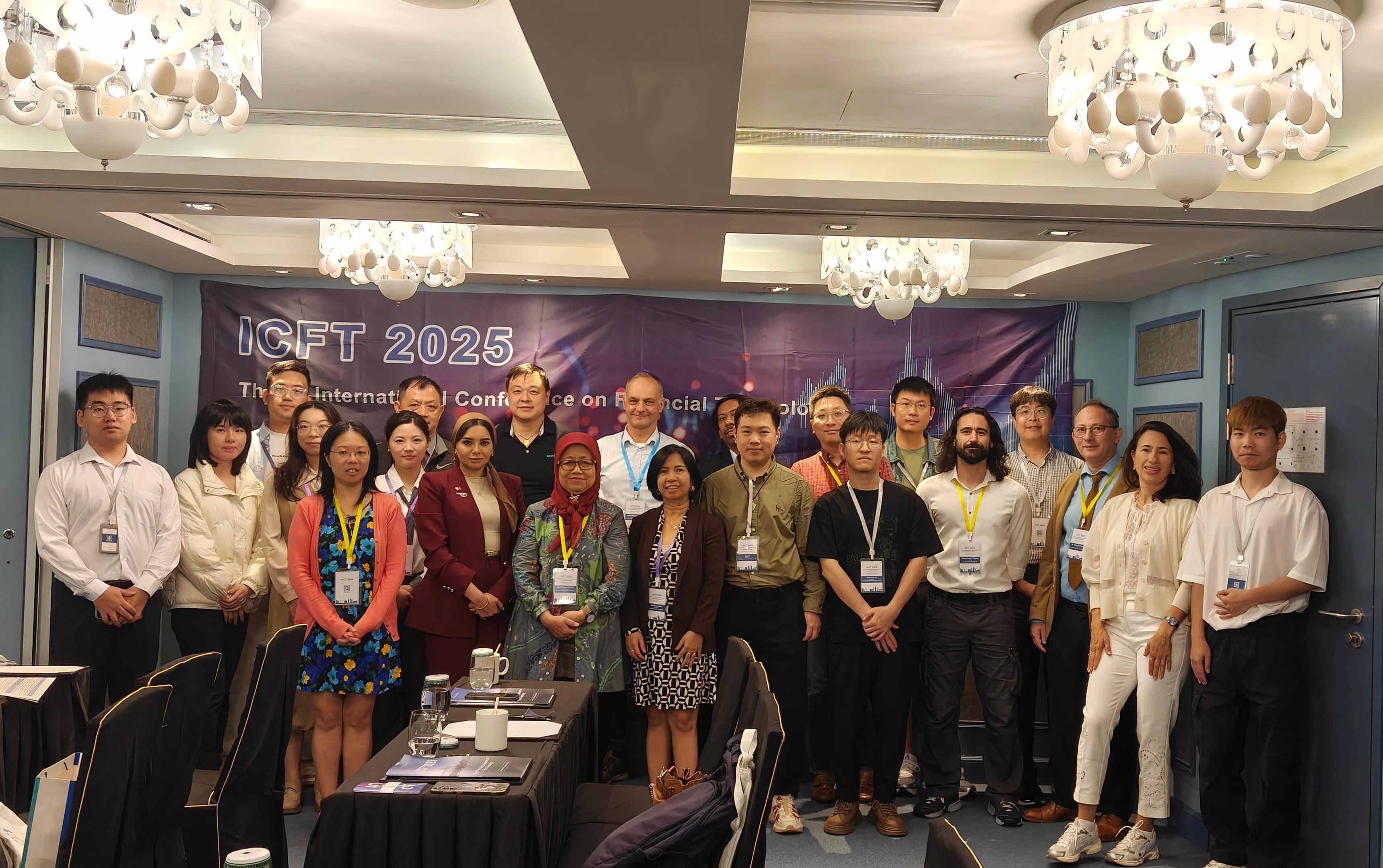
The 6th International Conference on Financial Technology successfully concluded on November 6-8, 2025, in Hong Kong, China. The event received strong support from leading institutions, including the Chinese University of Hong Kong, Nanjing University, National University of Singapore, Nanyang Technological University, and Shanghai Jiao Tong University. It brought together experts, scholars, and industry representatives from China, Singapore, France, Morocco, Vietnam and Turkey to discuss the latest trends, innovations, and challenges in financial technology.
Focusing on "Financial Technology," ICFT 2025 featured keynote speeches, oral presentations, and poster sessions. Participants shared the latest research findings and practical industry applications in cutting-edge fields such as generative AI, machine learning, the metaverse, and large language models. They also engaged in in-depth discussions on technology integration, compliance innovation, and future application scenarios.
Keynote and Invited Speech Sessions

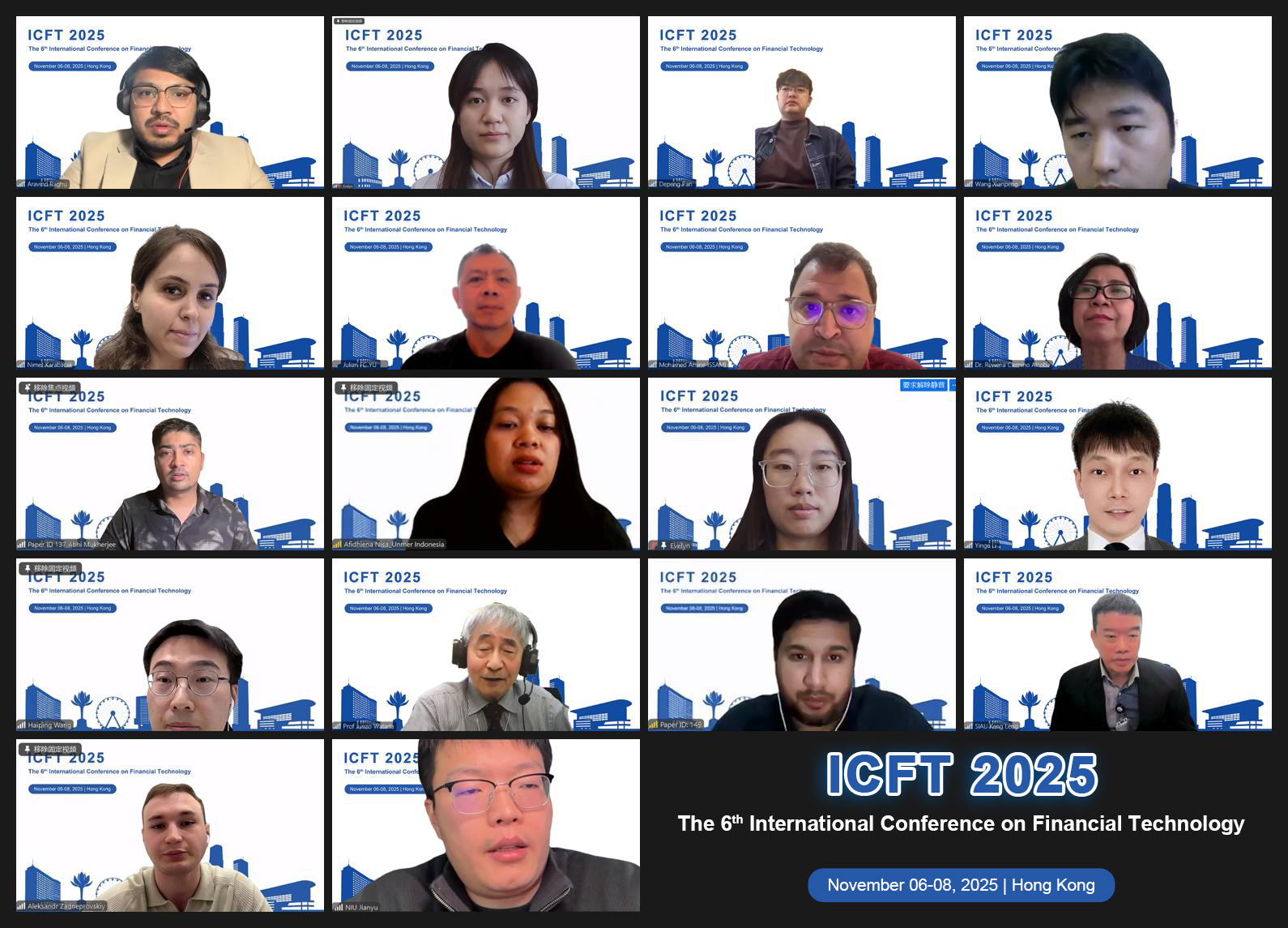
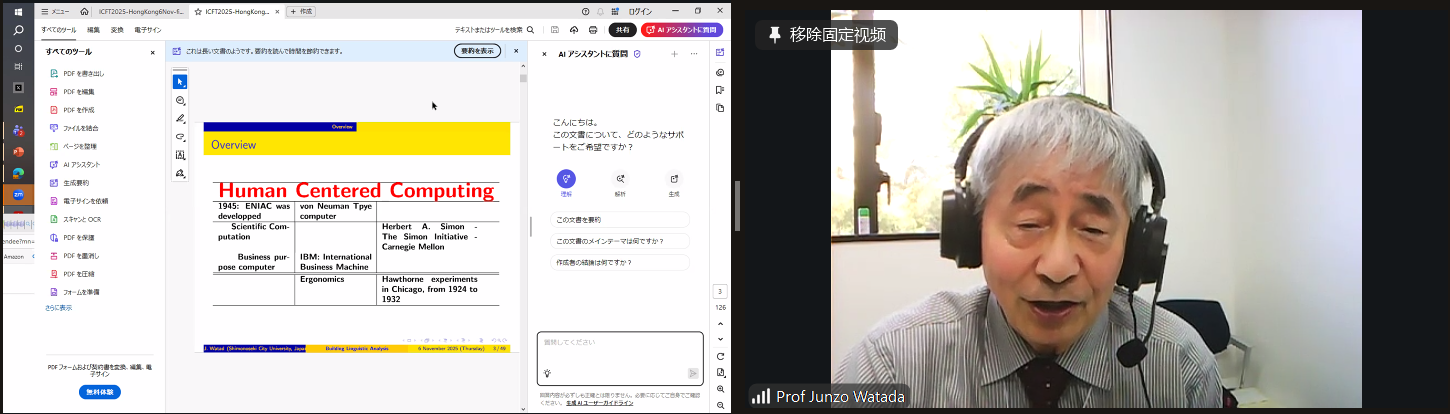
Prof. Junzo Watada, Waseda University, Japan
Speech Title: Human-Centric Computing and Its Application to Linguistic Analysis in a Multi-Uncertainty Environment toward FinTech

Prof. Junzo Watada focused on Human-Centric Computing for FinTech, particularly its application to linguistic analysis in multi-uncertainty environments. He argued that traditional models struggle with ambiguous, sentiment-driven, and regulatory-rich text data. By integrating fuzzy logic, computational linguistics, and cognitive modeling, his approach enables nuanced analysis of financial narratives, improving predictive accuracy while keeping outcomes interpretable. This supports more confident decision-making in areas like risk assessment and regulatory compliance.

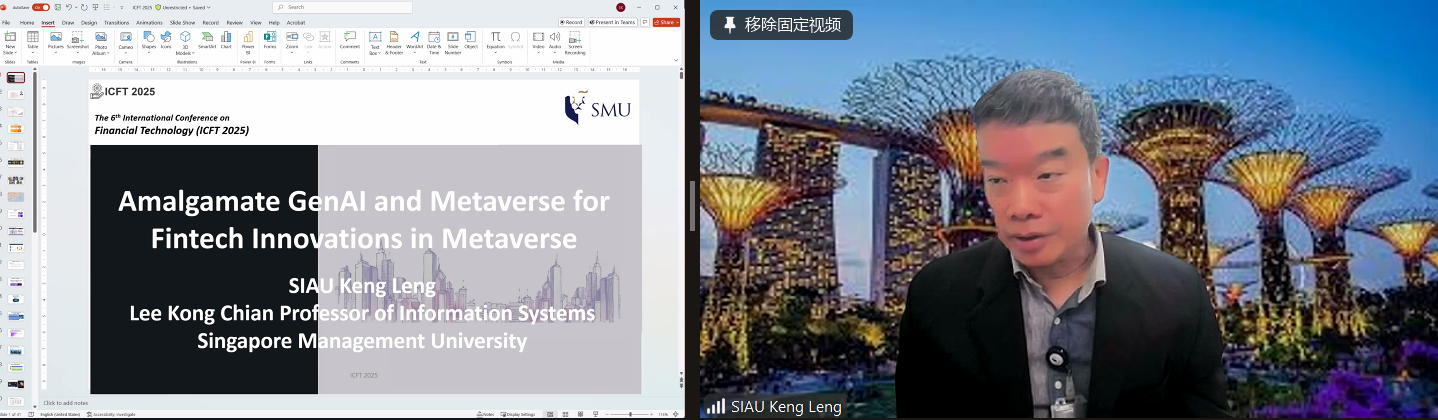
Prof. SIAU Keng Leng, Singapore Management University, Singapore
Speech Title: Amalgamate GenAI and Metaverse for Fintech Innovations in Metaverse
Prof. SIAU Keng Leng advocates for the strategic integration of Generative AI and the Metaverse to drive next-generation FinTech innovation. He argues that this combination is pivotal for creating immersive, intelligent, and user-centric financial ecosystems. His research demonstrates how GenAI can generate dynamic financial scenarios, virtual assets, and personalized advisors within the Metaverse, transforming services like virtual banking, asset management, and decentralized finance (DeFi). This synergy not only enhances user engagement and operational efficiency but also opens new frontiers for secure, interactive, and innovative financial experiences in a digitally immersive world.

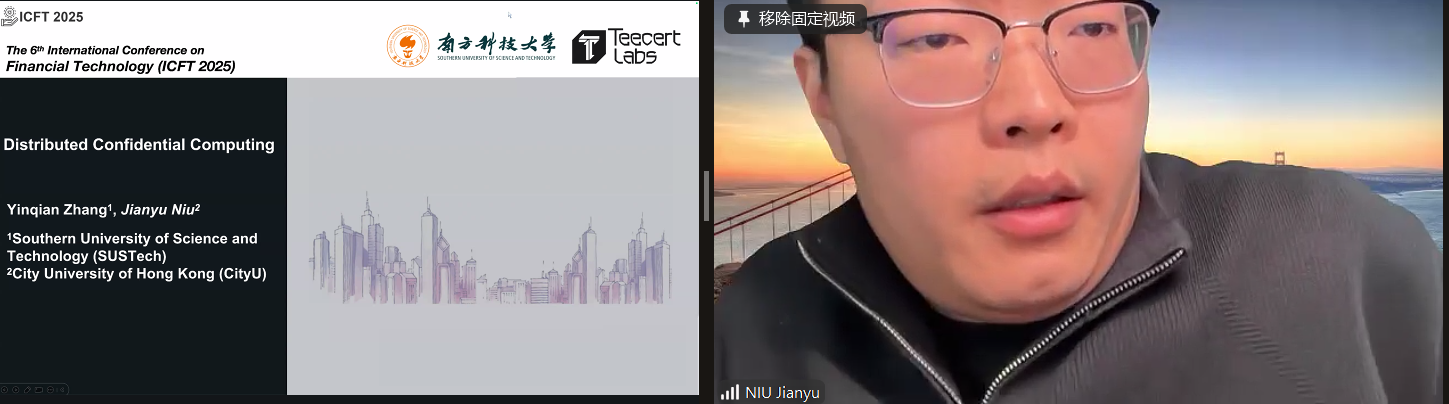
Prof. Jianyu Niu, Southern University of Science and Technology
Speech Title: Distributed Confidential Computing
Prof. Jianyu Niu focused on the paradigm of Distributed Confidential Computing as a foundational technology for secure and trustworthy FinTech. He emphasized its critical role in enabling privacy-preserving collaboration across institutions by allowing sensitive financial data to be processed in encrypted form, even in distributed and untrusted environments. His work demonstrates that this approach not only safeguards data sovereignty and complies with stringent regulations but also unlocks the potential for secure multi-party analytics and federated learning, thereby fostering innovation while maintaining the highest standards of data security and user privacy.

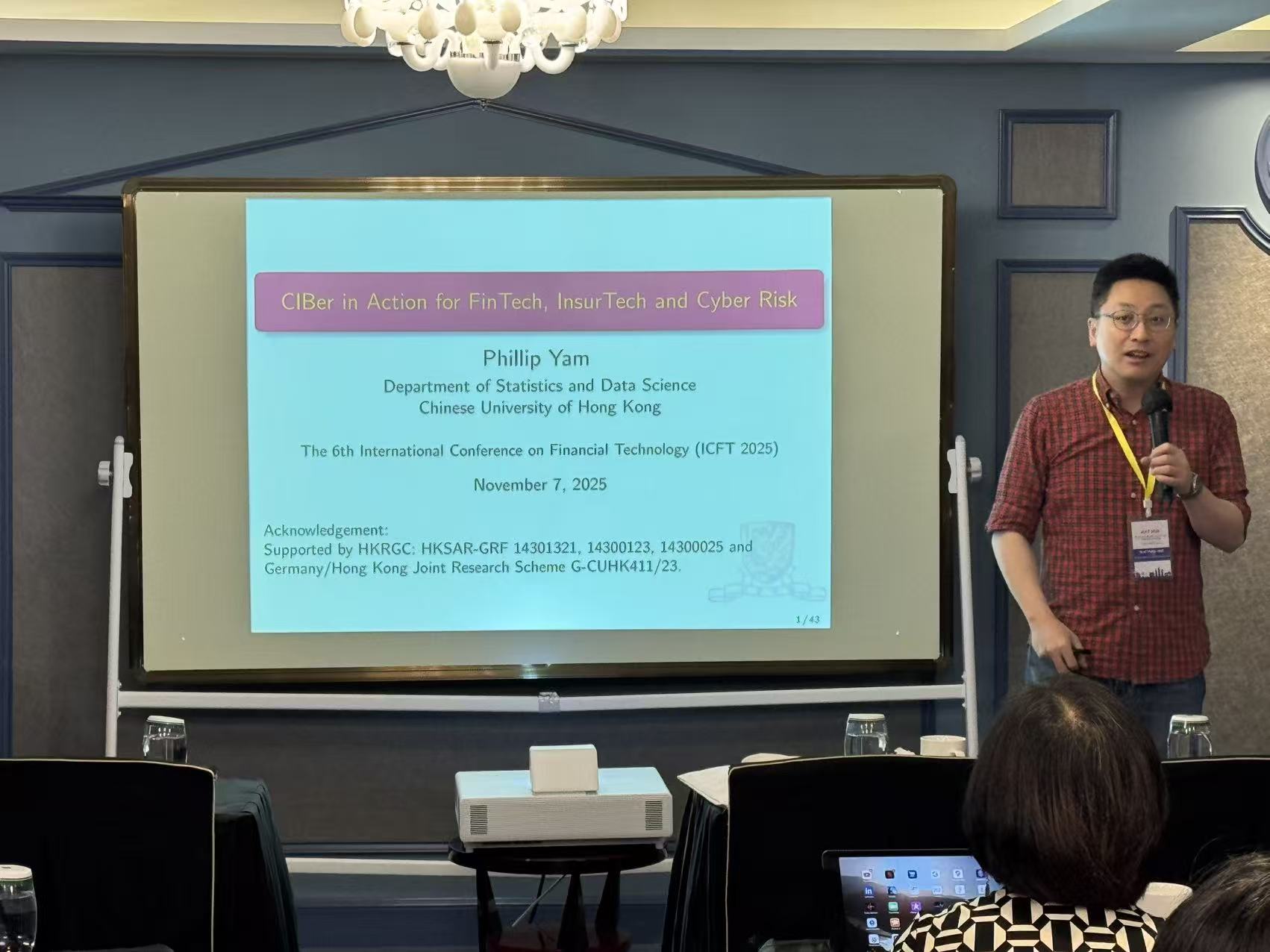
Prof. Phillip YAM, The Chinese University of Hong Kong, Hong Kong, China
Speech Title: CIBer in Action for FinTech, InsurTech, and Cyber Risk

Prof. Phillip YAM addressed a critical challenge in risk modeling for insurance, finance, and cyber security: the widespread inadequacy of conventional classifiers—such as Support Vector Machines, Neural Networks, Generalized Linear Models, and Linear Discriminant Analysis—in effectively processing datasets rich in categorical features. He pointed out that these methods often lead to significant information loss, especially in cyber risk data where features like entity type, breach category, and industry sector are predominantly categorical. While Classification and Regression Trees handle categorical variables well, they struggle with continuous features and ignore the complex dependency structures commonly present among features in real-world financial and insurance data. His research introduces the CIBer methodology, designed to comprehensively integrate both categorical and continuous variables while explicitly modeling their interdependencies, thereby offering a more robust and interpretable framework for predicting risk frequency and classifying severity in dynamic technological environments.

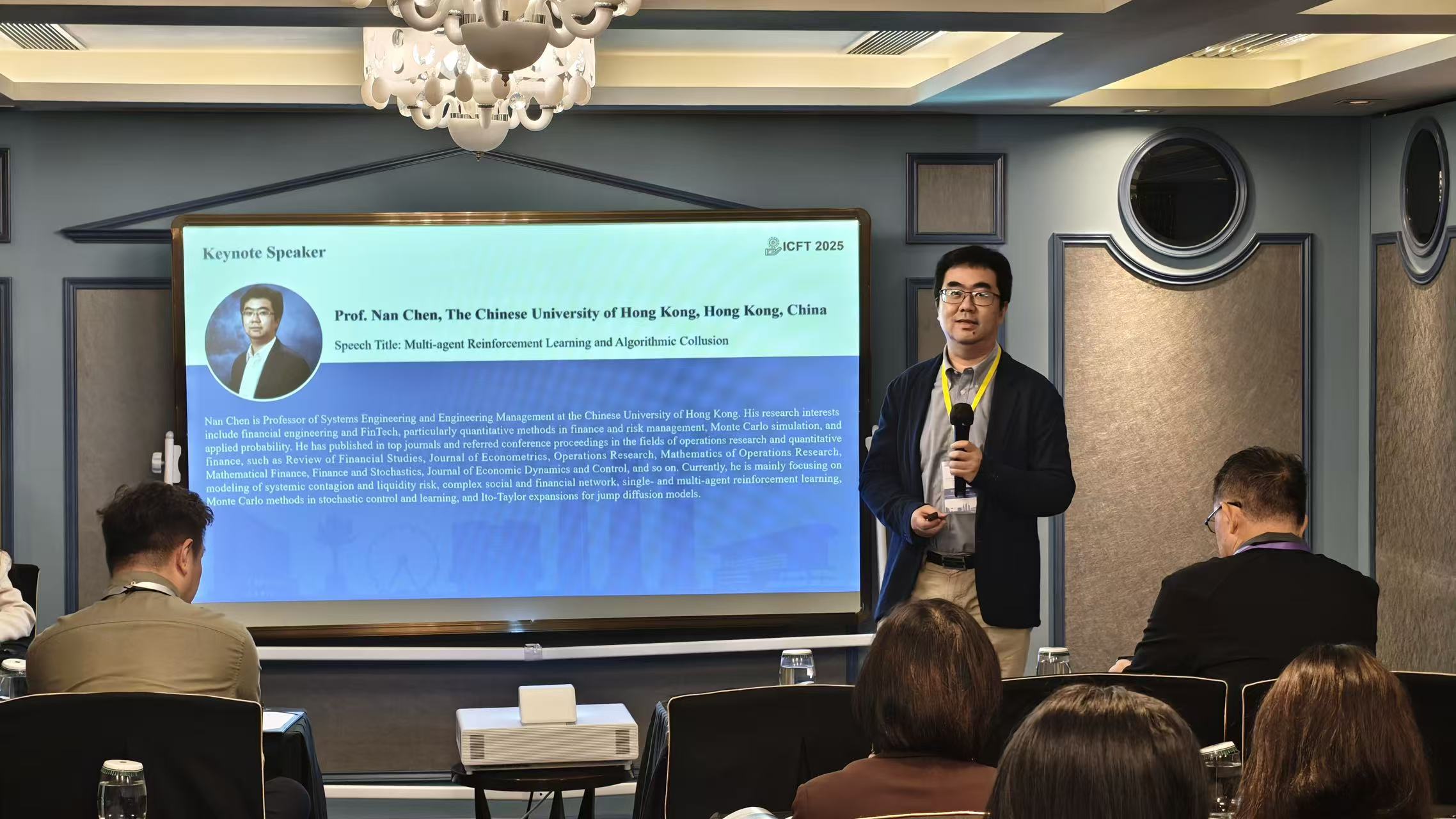
Prof. Nan Chen, The Chinese University of Hong Kong, Higher Colleges of Technology, UAE
Speech Title: Multi-agent Reinforcement Learning and Algorithmic Collusion

Prof. Nan Chen addressed a critical regulatory challenge in AI-driven markets: the potential for pricing algorithms to learn collusive behaviors through repeated interaction. He highlighted the limitations of prevailing Q-learning-based frameworks, which are poorly suited for decentralized environments and lack theoretical convergence guarantees in multi-agent settings. To overcome these issues, his research introduces a novel two-time-scale evolutionary game framework for Multi-Agent Reinforcement Learning (MARL). This approach incorporates a belief mechanism that relaxes strict observability assumptions and provides provable convergence to approximate Nash equilibria in general-sum games. His findings further demonstrate that the sophistication of algorithms is a key driver of emergent collusion, offering regulators and practitioners a more robust analytical tool to understand and mitigate such risks in FinTech and digital markets.

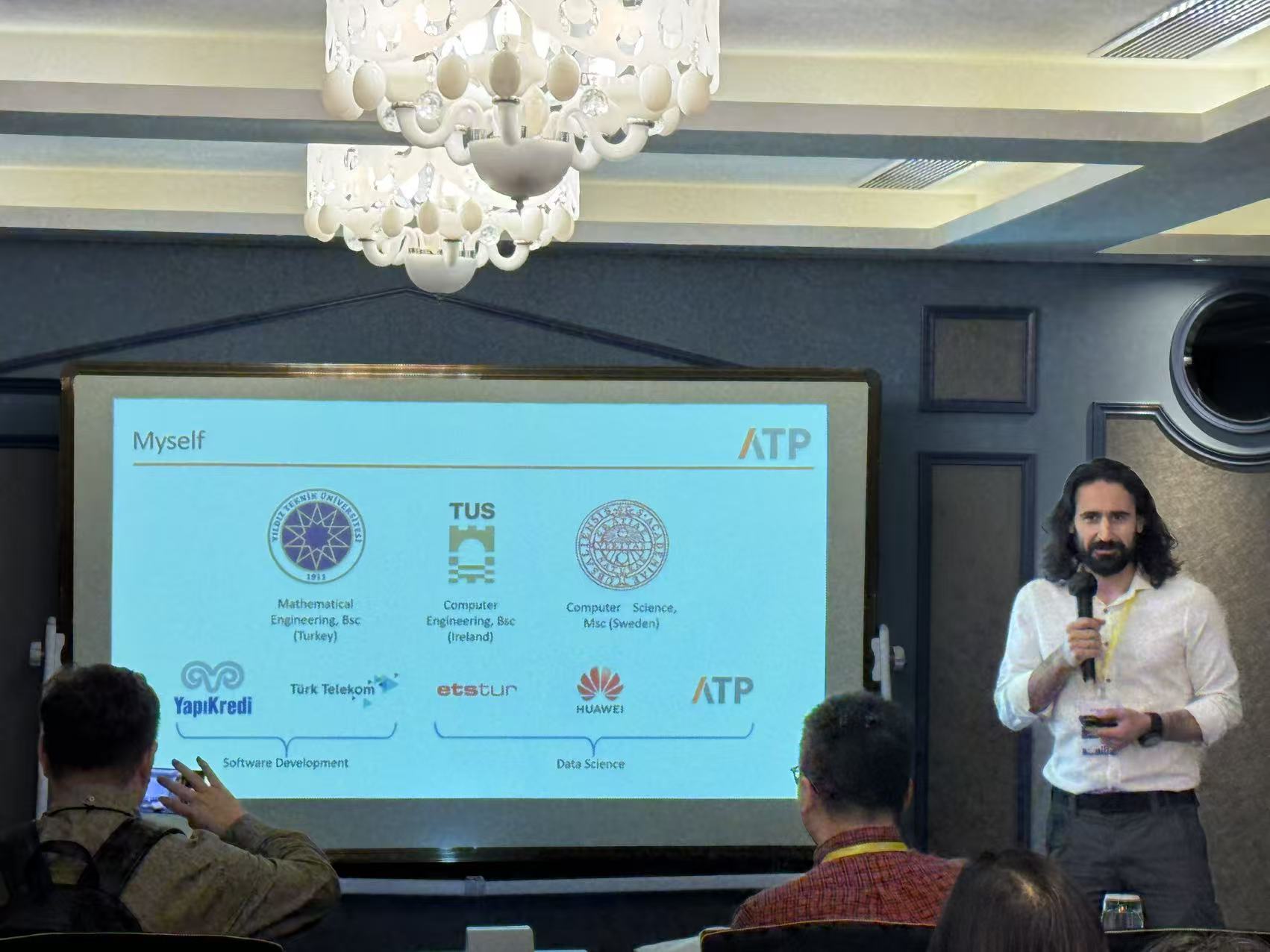
Mr. Ahmet Tuğrul Bayrak, Ata Technology Platforms (ATP), Türkiye
Speech Title: Practical Uses of Large Languae Models in Financial Analysis
Mr. Ahmet Tuğrul Bayrak addressed the transformative role of Large Language Models in tackling the volume and complexity of modern financial text data, such as reports, transcripts, and social media. He highlighted LLMs’ ability to deliver deeper semantic understanding, perform sentiment analysis, generate summaries, and answer contextual queries. To ensure reliability, he emphasized the necessity of domain-specific fine-tuning, retrieval-augmented generation, and synthetic data to overcome scarcity and privacy issues. While acknowledging ongoing challenges in accuracy, explainability, and compliance, he projected that the future of financial intelligence will lean toward specialized, efficient, and securely integrated LLM systems within enterprise environments.

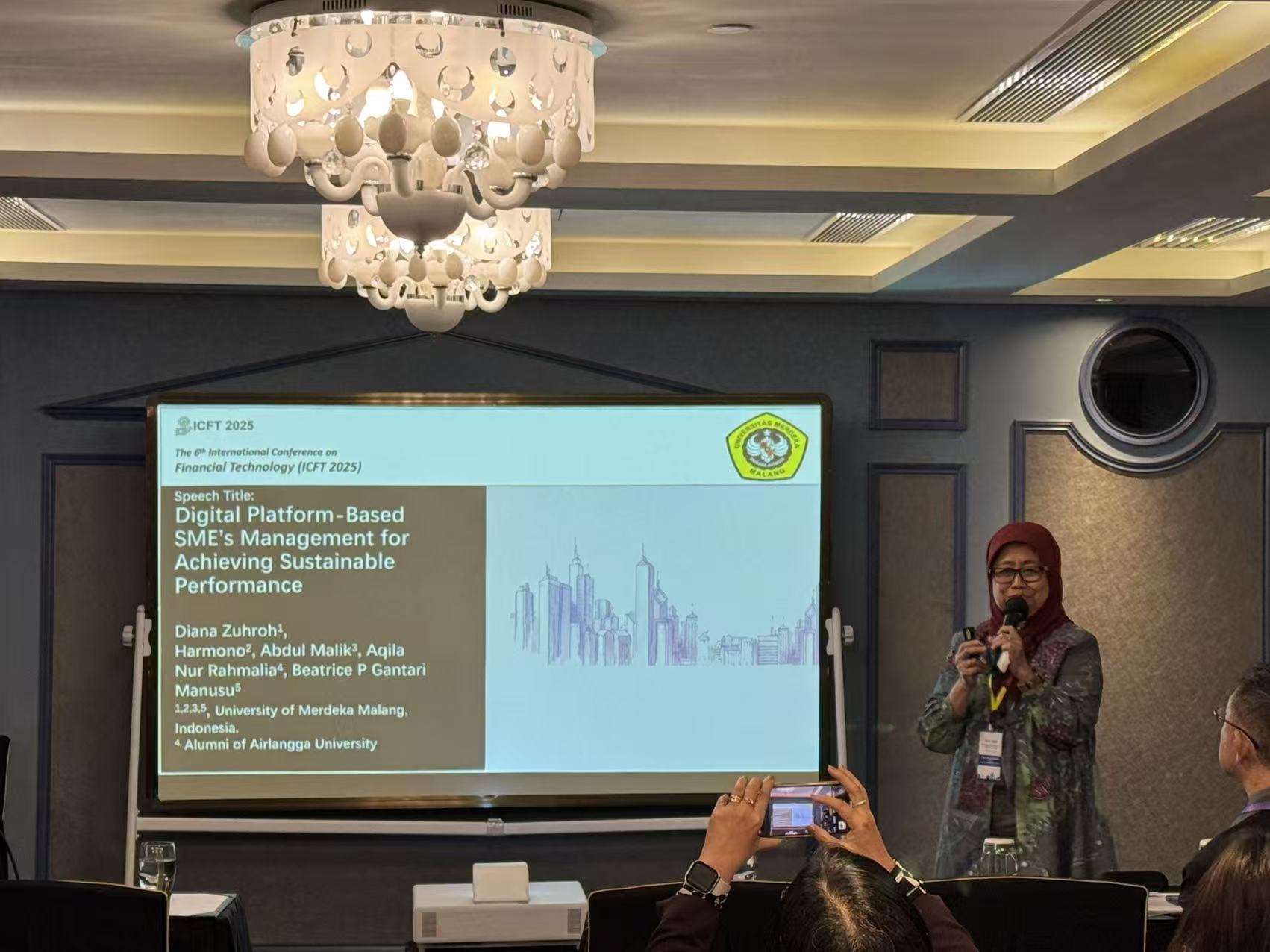
Prof. Diana Zuhroh, University of Merdeka Malang, Indonesia
Speech Title: Digital Platform-Based SME Management for Achieving Sustainable Performance
Prof. Diana Zuhroh focused on the digital transformation of MSMEs as a key driver for sustainable growth in the post-pandemic era. Her research clusters platform usage—including social media, e-commerce, digital wallets, and the sharing economy—and links it to accounting systems and financial performance. She highlighted that most MSMEs are in early to medium development stages (1–6 years), operated by individuals with secondary education backgrounds, and currently rely most heavily on social media platforms such as Instagram, Facebook, and TikTok for business operations.

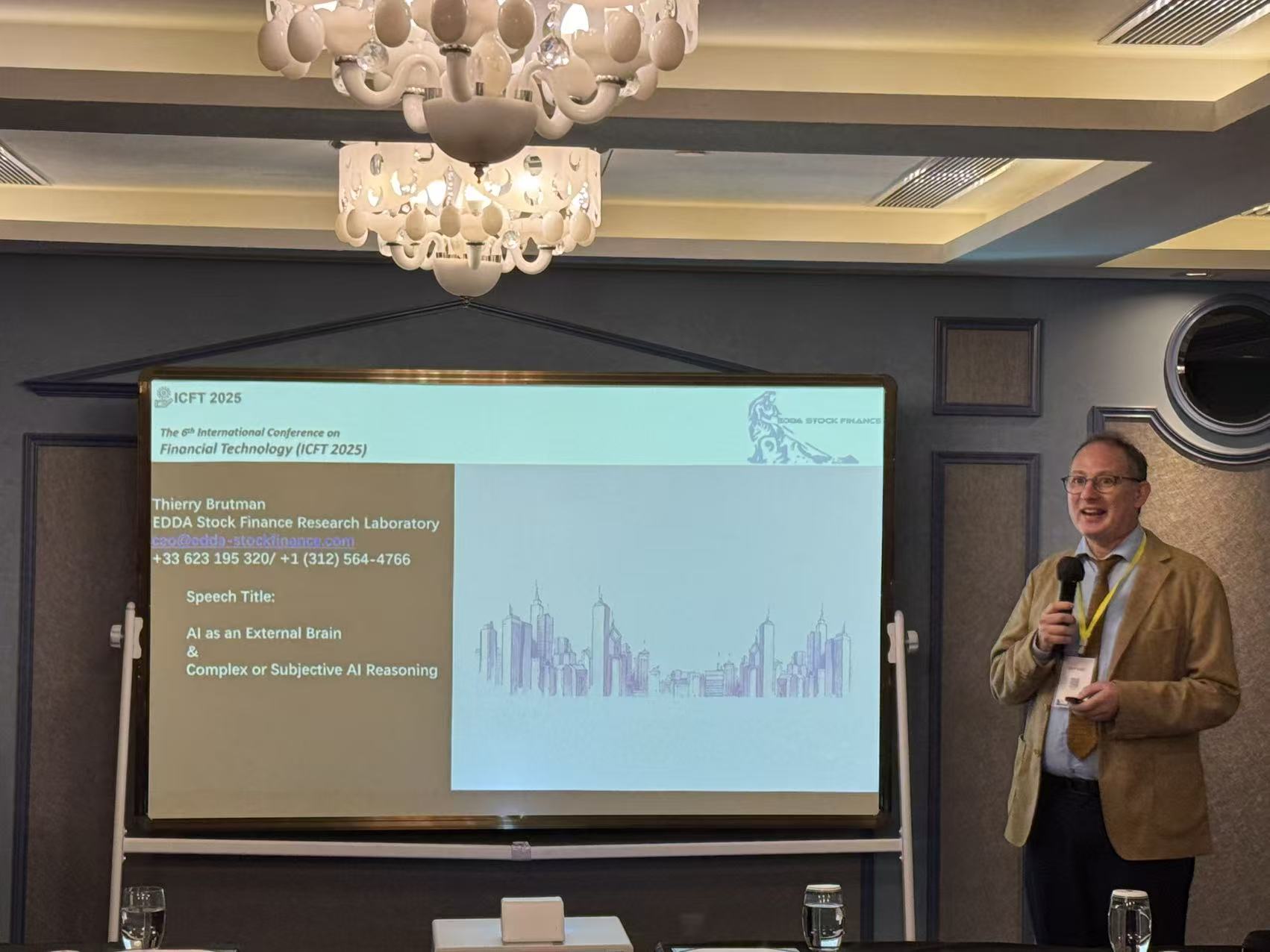
Dr. Thierry H. Brutman, EDDA Stock Finance, France
Speech Title: AI as a Middleware: AI-Driven Enterprise Optimization System for Integration with Existing Corporate Software
Dr. Thierry H. Brutman introduced a novel paradigm in which AI acts as a unifying middleware layer to orchestrate decision-making across diverse corporate systems and departments. This approach enables an AI-driven, self-managing enterprise where departmental choices are dynamically prioritized based on overall company performance rather than isolated metrics. By integrating financial option models and AI-coordinated decision matrices, the system achieves real-time enterprise-wide optimization—enhancing Return on Equity (ROE), refining investment and pricing strategies, enabling proactive risk management, and streamlining operations. Supported by real-world case studies, the research demonstrates how this middleware standardizes data, eliminates inefficiencies, and improves decision accuracy, paving the way for intelligent, autonomous organizations built on cross-departmental synergy rather than silos.